Reinvent Everyday Plastics: Creative Upcycling with Packaging Films
Let’s explore creative upcycling with packaging films, turning grocery wrappers, mailer liners, and bubble-free poly into durable art, useful gear, and surprising home solutions. With safe techniques, smart material choices, and joyful experimentation, we’ll transform overlooked waste into resilient fabrics, luminous textures, and conversation-starting pieces. Bring scissors, parchment paper, and curiosity; together we’ll cut, fuse, weave, and stitch, proving sustainability can feel playful, practical, and remarkably beautiful.

Know Your Films: Materials, Safety, and Tools

Understanding what you’re working with changes everything. Lightweight grocery bags are usually LDPE, crinkly mailers can be HDPE or PP, and some clear wraps are stretchable blends. Clean, dry pieces behave best. Avoid PVC because of fumes, and always work with ventilation, temperature control, and patient testing scraps. With simple tools—household iron, silicone baking mats, parchment, rotary cutter, and a steady hand—you’ll unlock precise, reliable results that let your creativity focus on form, function, and joyful reuse.

Fusion Magic: Making DIY Plastic Fabric

By layering packaging films and gently pressing through parchment, you can create tough, flexible sheets with painterly depth. Mix opaque logos with translucent windows for visual rhythm. Small fragments become confetti color fields; larger panels produce sleek, modern surfaces. Calibrate heat in increments, press briefly, lift, and inspect. Let seams overlap generously, and finish edges with a second low-heat pass. The result resembles waterproof fabric that cuts, folds, and stitches into pouches, totes, rain covers, and playful accessories.

Layering Strategies for Strength and Flex

Treat each layer like a structural decision. Stagger seams so they never align, alternating directions for stability. Thin inner layers provide cohesion, while slightly thicker outer skins resist abrasion. Transparent pieces create windows that help with alignment marks. Press in stages: tack layers lightly, cool flat, then finalize with smoother, longer strokes. If bubbles appear, prick gently with a fine needle and re-press with low heat. Keep a test swatch beside you to match thickness and drape consistently.

Color Play with Printed Graphics

Those bright barcodes, logos, and gradients can become intentional graphic design. Cut letters into mosaics, slice stripes for dynamic chevrons, or overlay faint typography beneath translucent film for a ghosted effect. Place high-contrast fragments where stress is minimal to reduce cracking. For subtle palettes, reverse-print sides often give softer tones. Consider translucency as negative space, letting background colors or incoming light participate. Finish with a clear protective layer to seal ink and unify sheen across different fragments and brands.

Seams, Stitching, and Repair Techniques

Once fused sheets are ready, treat them like unconventional textiles. Use long stitches and a walking foot if available, or pre-punch holes with an awl for hand-sewn details. Fold edges before stitching to fortify high-wear zones. For no-sew assembly, apply double-sided carpet tape between layers, then lock with a brief low-heat press through parchment. Small tears mend with matching patches and directional re-fusing. Keep scraps as repair kits, adding decorative topstitching that cleverly disguises reinforcement as characterful, intentional design.

Cutting Continuous Strips without Tangles

Flatten clean bags, trim seams, and spiral-cut around the perimeter to create long, continuous strands that behave like yarn. Mark widths on a cutting mat for uniformity. For crinkle-prone material, lightly warm under parchment to relax memory before slicing. Wind strips on cardboard bobbins, label colors and thicknesses, and store pairs together for quick braiding. Keep scissors sharp and hands steady; consistent tension during cutting prevents weak spots. Practice turning corners smoothly to maintain even strand width across the entire length.

Flat Weave, Twill, and Bias Experiments

Start with a simple over-under plain weave to understand spacing, then advance into twill patterns that diagonally shift strength across the surface. Bias-cut strips offer stretch that hugs curves and corners, ideal for baskets and rounded trays. Pin or clip the first row firmly, square the corners, and check alignment every few passes. A final low-heat sweep through parchment locks intersections cleanly. Use contrasting colors as guides; these visual lanes make counting and complex patterns approachable, repeatable, and satisfyingly tidy.

From Cordage to Handles and Hangers

Twisting two or three strips together forms rope with surprising resilience. Alternate directions to create balanced cords that resist unraveling. Add a thin wire core when you need shape-holding hooks or frames. For handles, braid wider strands, flatten with brief heat, then stitch or rivet through reinforced tabs. Treat stress zones with extra wraps and hidden patches fused inside. Test with loaded bags before final assembly. Decorative knots, contrasting colors, and heat-set tapers transform utility into playful, eye-catching finishing details.

Weaving and Braiding Strips into Sturdy Forms

Cut packaging films into consistent strips and discover the quiet satisfaction of transforming soft plastic into architectural structures. Weaving builds mats, baskets, and organizers; braiding forms cords, handles, and hangers. Bias-cut pieces yield surprising flexibility, while doubled strips resist stretch under load. Gentle heat sets curves, locks intersections, and smooths edges. The process is portable, meditative, and collaborative, great for community craft tables and family afternoons. Even tiny offcuts contribute when layered into plaits or twisted into colorful cordage.

Design Ideas for Home and Everyday Carry
Kitchen and Pantry Helpers
Create washable pantry bins that wipe clean, with fused corners and reinforced rims. Line drawers to catch crumbs, adding embossed dots for grip using a textured silicone mat under light heat. Stitch zipper pouches for reusable snack bags, clearly labeling categories with cut-out graphic letters. Make spill mats beneath oils or syrups, edging with bright strips for visibility. Add a magnetic backing layer to small fused pockets for fridge organization, holding coupons, pens, and shopping lists where hands can reach instantly.

Closet, Laundry, and Bathroom Solutions
Sew breathable mesh panels from perforated films for lingerie bags, then fuse solid corners for durability in the wash. Craft hanging organizers with transparent windows for accessories and travel minis. Build lightweight hampers that resist moisture, adding braided handles and heat-set rims. In bathrooms, make splash-proof caddies for shampoos or razors with drain holes punched neatly along the base. Use color-coding to separate household members’ items. Everything rinses clean, dries quickly, and keeps clutter contained without buying more virgin plastic storage.

Outdoor and Travel Companions

Design waterproof document sleeves for tickets, trail maps, and permits, using clear layers for instant visibility. Fuse ultralight rain hats and roll-top dry pouches with hook-and-loop closures. Stitch reflective accents harvested from packaging to boost night safety. For picnics, foldable sit pads and utensil rolls wipe clean easily. Bike commuters can craft saddle covers and splash guards that fasten with braided cords. Travelers appreciate cable-wrap ties from narrow strips, plus passport protectors that nest inside bags while resisting downpours and accidental spills.

Artful Surfaces: Light, Texture, and Transparency

Packaging films invite play with illumination and depth. Layer translucent whites over bold fragments for stained-glass vibes, or perforate fused sheets to cast patterned shadows on walls. Crumple, press, and smooth to create tactile ridges that resemble bark, waves, or woven cloth. Stitch contrasting threads along seams for graphic topography lines. Lampshades glow, window panels shimmer, and mobiles gently chime in breezes. Art meets function as every offcut becomes pigment, texture, and story, inviting viewers to rethink value and waste.

Luminous Lanterns and Window Panels

Build panels by fusing thin layers that diffuse light without melting into cloudy opacity. Trap tiny colored shards between clear sheets to create mosaic gradients. Reinforce edges with thicker strips, then punch holes for wire frames. For window art, leave strategic clear zones so sunlight paints changing patterns across floors. Test heat incrementally to preserve crisp color. If panels warp slightly, re-press between flat boards until cool. Nighttime glow transforms even humble wrappers into radiant, calming sources of atmosphere.

Textured Collage, Quilting, and Appliqué

Compose collages from cut fragments arranged like fabric quilt blocks, exploring rhythm, repetition, and unexpected harmonies. Fuse lightly first, then stitch over seams to emboss lines and secure delicate edges. Crumple sections and re-flatten for intentional wrinkles that catch light. Appliqué motifs—leaves, arrows, constellations—onto larger backings to personalize bags or jackets. Combine matte and glossy finishes to accent contrast. Display wall pieces in simple frames without glass to minimize glare, or mount on panels for crisp, gallery-ready presentation.

Printmaking, Stencils, and Embossed Relief

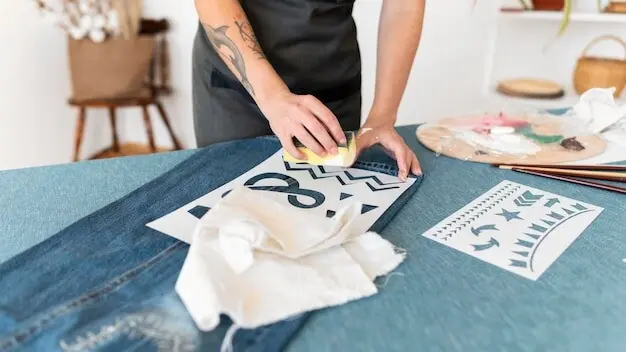
Use films as both canvas and tool. Create reusable stencils by fusing multiple layers, then cut clean edges for durable, paint-washable shapes. Press textured materials—lace, mesh, or burlap—through parchment under light heat to emboss delicate relief. For monoprints, ink on a smooth fused sheet, place paper, and burnish evenly. Clean with citrus-safe solvents and reuse endlessly. Integrate prints back into bags or panels, celebrating circular creativity where each tool, offcut, and experiment contributes to the next expressive, waste-reducing project.

Community, Sharing, and Circular Impact

Collectively, small choices add up. Rescue a handful of mailers each week, and in months you’ll divert a surprising volume from bins or landfill. Track before-and-after weight to visualize progress. Share patterns, post results, and trade color scraps with neighbors. Host workshops where families cut, weave, and press together. Ask local stores for misprints destined for disposal. Celebrate fixes, not perfection. Invite readers to comment, subscribe for tutorials, and suggest daring experiments so our inventive loop keeps expanding, inspiring, and sustaining momentum.

Host a Swap and Save Challenge

Set a month-long challenge: collect, clean, and upcycle only what the neighborhood provides. Post weekly check-ins with photos, patterns, and measurable diversion totals. Offer a swap bin where makers exchange colors, textures, and prepared strips. Create friendly awards for best repair, lightest tote, or most inventive organizer. Invite a local artist to judge and demonstrate. Challenges transform passive interest into active skill-building while revealing just how much material flows unnoticed through our lives, ready for joyful, collaborative reinvention.

Measure What You Divert and Celebrate Wins

Keep a simple ledger: number of bags transformed, square footage of film made, weights before and after. Translate totals into relatable visuals, like floor space covered or rainstorms kept at bay by new covers. Share milestones publicly to encourage participation and inspire friendly competition. Pair numbers with stories: a repaired backpack strap, a lantern brightening a porch, a child’s lunch pouch outlasting semesters. Data plus narrative deepens commitment, turning occasional crafting into a meaningful habit anchored by visible, shared impact.

Join the Conversation and Inspire Others

Your perspective matters. Post questions about difficult seams, share iron settings that worked, and upload photos of triumphs and near-misses. Invite feedback on designs needing extra durability. Subscribe for step-by-step patterns, seasonal projects, and material spotlights. Encourage classrooms, maker spaces, and libraries to borrow these methods. When curiosity meets generosity, techniques evolve quickly, and confidence spreads. Together we transform disposable packaging into stories of ingenuity and care, proving creativity scales beautifully when many hands contribute insights, patience, and playful persistence.
Telizentopentonexorino
Privacy Overview

This website uses cookies so that we can provide you with the best user experience possible. Cookie information is stored in your browser and performs functions such as recognising you when you return to our website and helping our team to understand which sections of the website you find most interesting and useful.